Research
Overview
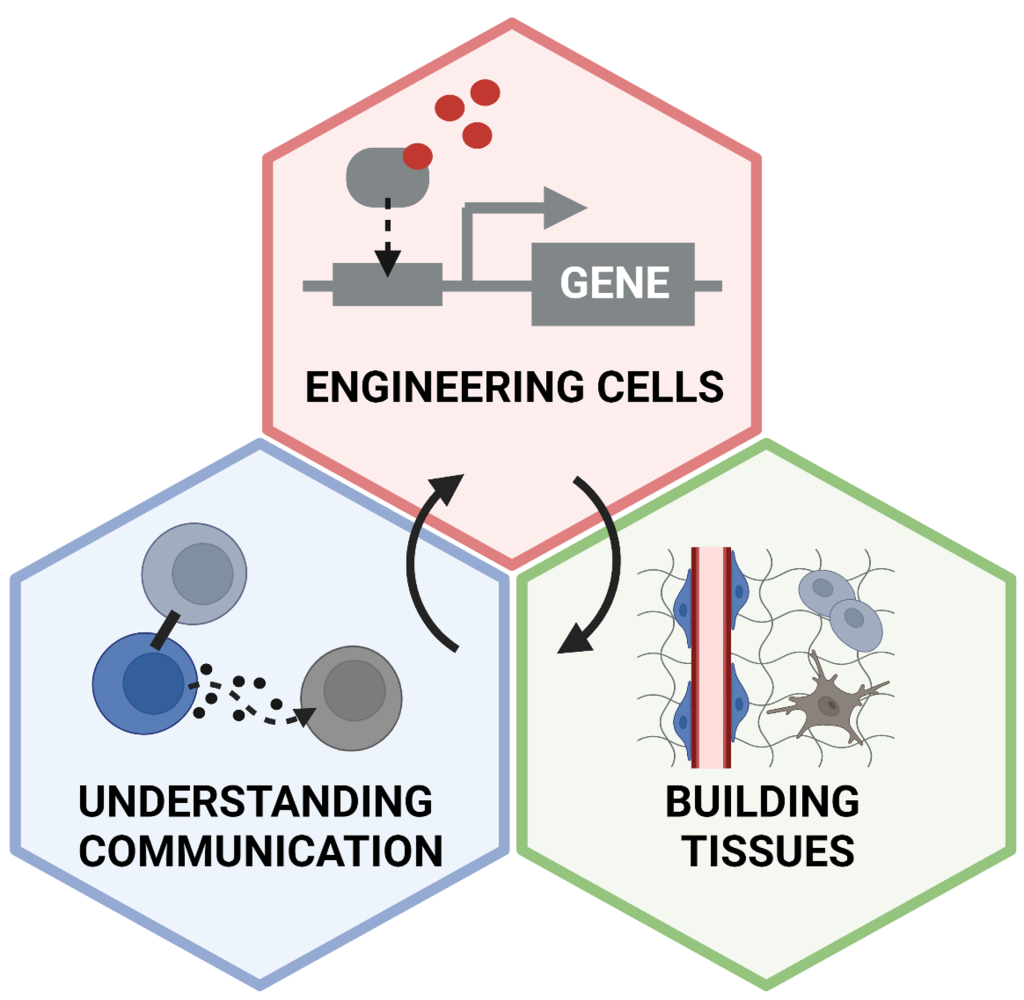
The Ngo lab is interested in understanding how communication between different cell types influences tissue form and function during development, repair/regeneration, and disease. To study this process of cell-cell communication, we use biomaterials and microfabrication techniques to build engineered tissue models with which we can observe and perturb cellular interactions and measure the resulting effects on cell and tissue behavior. We use molecular biology, synthetic biology, and cell engineering tools in conjunction with our tissue models to identify signaling molecules of interest, as well as the spatiotemporal dynamics of these signals. We will also re-purpose our tissue models as tissue therapies, in which we will use cell-cell communication to drive regeneration or mitigate disease in the surrounding tissue microenvironment. While our tools and platforms can be applied to any tissue, disease, or regenerative event, we are particularly interested in cancer, vasculature, and the brain microenvironment.
Research Areas
Engineering vascularized tissues
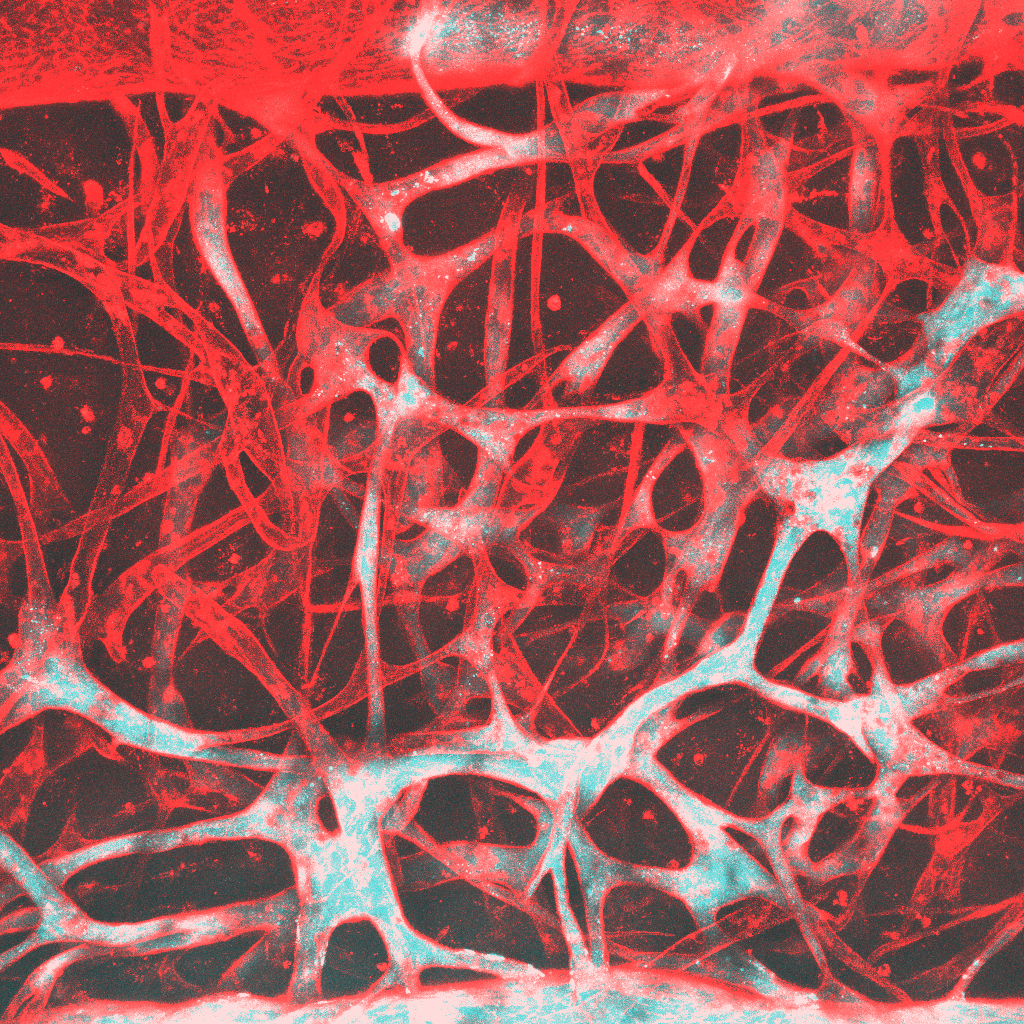
Blood vessels are present in nearly every tissue in the human body. Not only does vasculature supply nutrients and oxygen to the surrounding tissue, but signaling from vascular cells has also been shown to influence tissue form and function. The ability to build vascularized tissues enables the development of tissue-on-chip platforms for drug screening, artificial tissue implants for regenerative medicine, and therapies for ischemic cardiovascular diseases. We are interested in understanding how to engineer functional vasculature by controlling extracellular matrix cues and the exchange of signals between different vascular cell types.
Vascularized tissue models to study disease
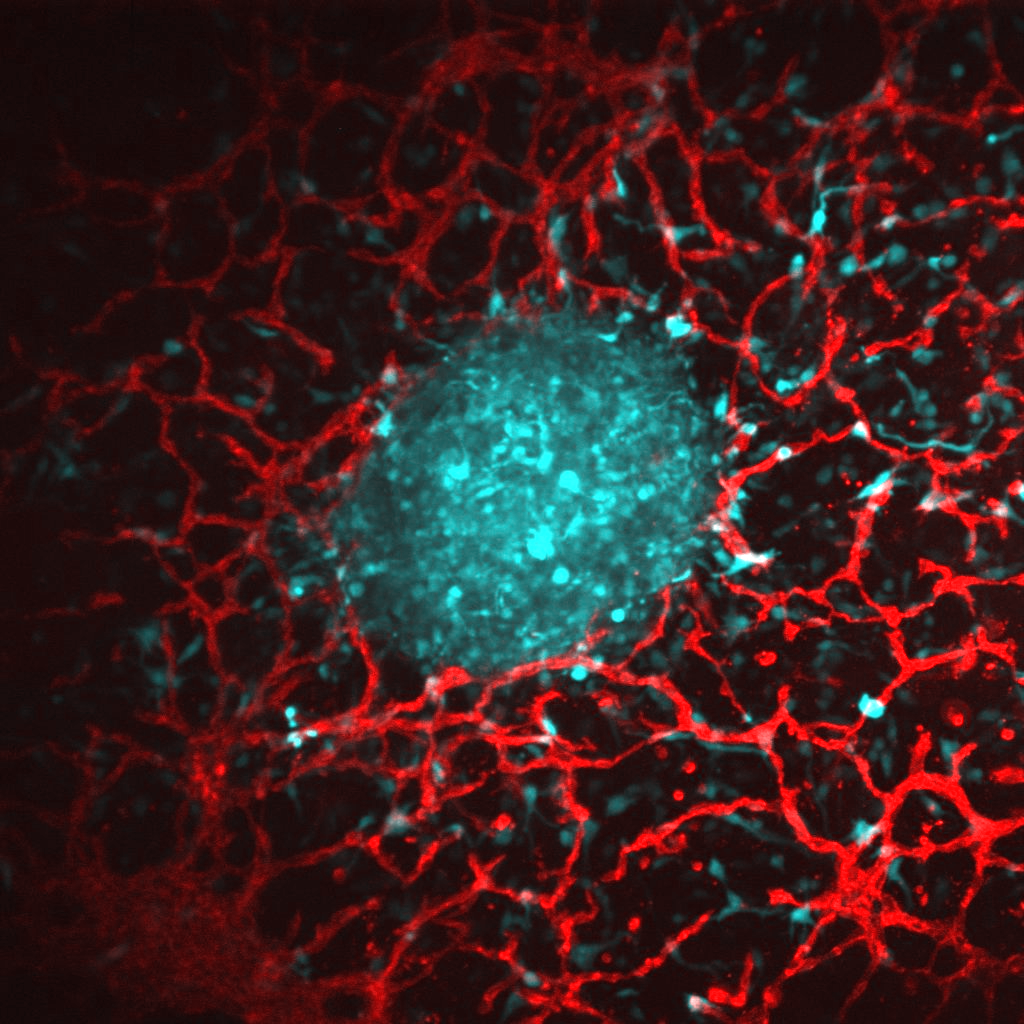
Cancer remains a leading cause of death worldwide. Identifying the signaling mechanisms that cause tumor cells to grow, spread, and resist treatment will contribute to the development of new therapies for cancer. We build tissue models to mimic the cell-cell and cell-matrix interactions found within the tumor microenvironment, and we use these models to understand how communication between tumor cells, vasculature, and tissue-resident cells influences the progression of primary and metastatic brain cancers.
Vascularized tissue therapies for regeneration
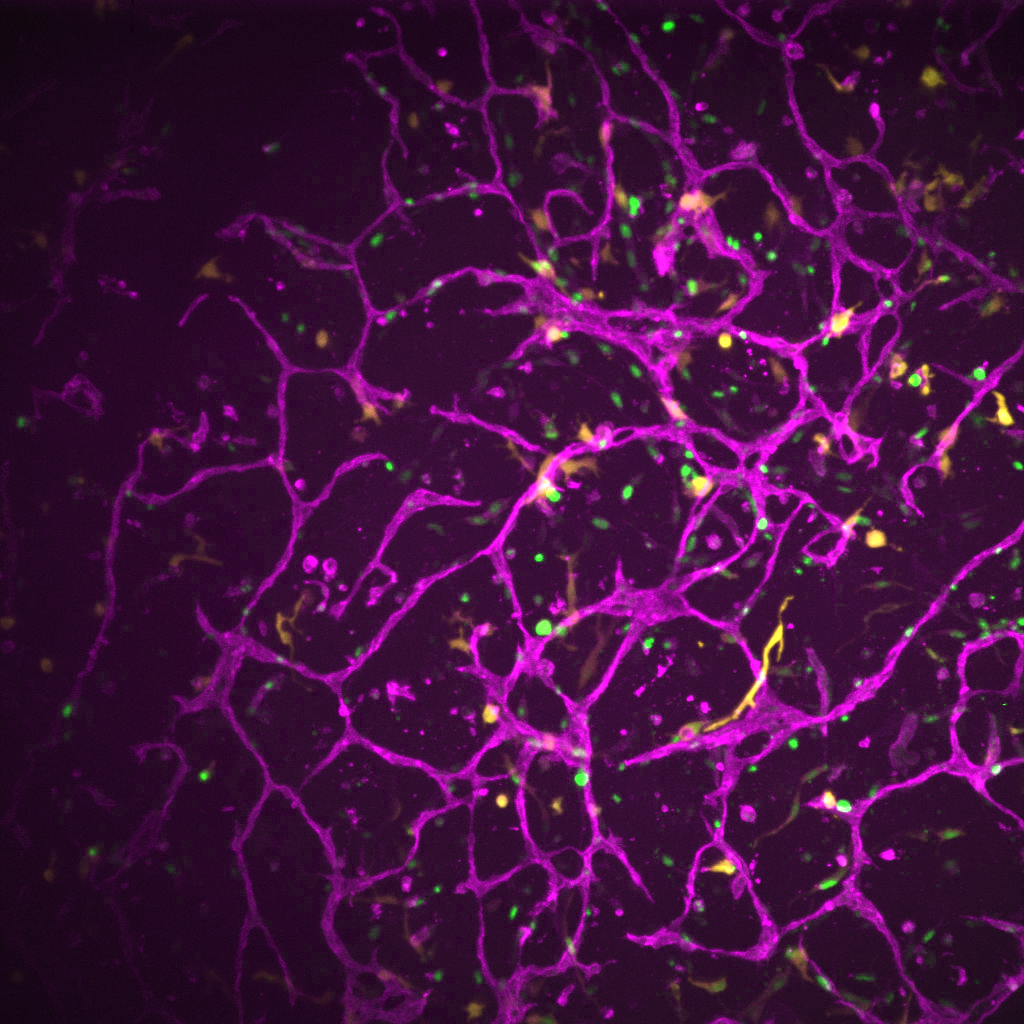
Stem cell transplantation is a potential therapy for regenerative medicine; however, clinical translation is currently hindered by challenges in controlling stem cell survival and fate decisions post-transplantation. Within the human body, several types of stem cells have been shown to reside near vasculature, and vascular cells and the surrounding extracellular matrix provide signals that support stem cell survival and influence fate decisions. We seek to build tissues that can influence regenerative outcomes by directing stem cell behavior post-transplantation.
Vascularized organoids to study development
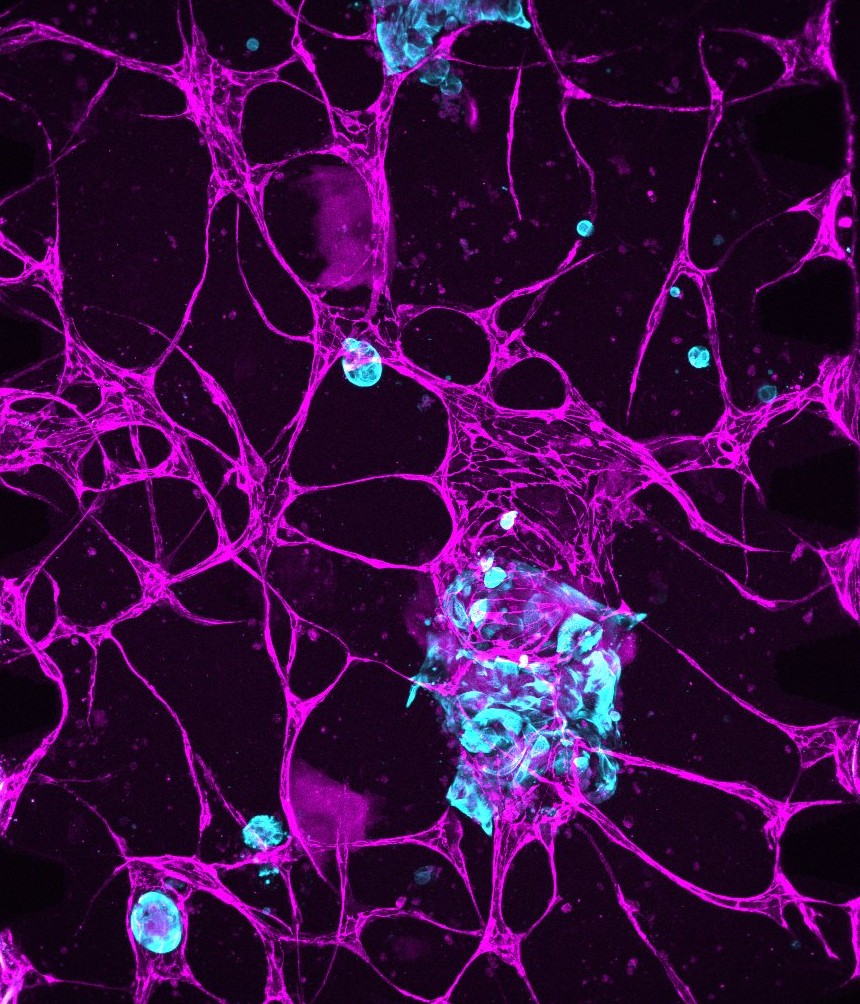
During development, blood vessels are in close proximity to parenchymal cells (i.e., the cells that form functional tissue). We are interested in building vascularized organoid models in order to understand how vascular signals influence parenchymal form and function, and how parenchymal cells reciprocally influence vascular morphogenesis and the acquisition of tissue-specific properties.
Funding
We are grateful to the following funding sources for supporting our work.